 ANDAFACIL
Caregivers and family
If you live in another city: remote mobility checklist for mom or dad | AndafacilBlog · Caregivers and Family
Mobility to enjoy life: support is not giving up, it's continuing to do more
When mobility becomes complicated, many families in the US face the same knot: the person stops going out “because they can’t do it like before,” gets angry if offered a walker or wheelchair, and the children carry the physical and emotional weight. This guide proposes another approach: mobility is not the end of independence — it’s the key to continuing to enjoy life.

Quick Response
It's not about “accepting that you are old”. It’s about protecting what you still want to do: mass, market, visit grandchildren, a walk around the square. The support equipment (walker, wheelchair, safe bathroom) does not replace the person; it returns exits, safety, and some air to the family. Start with a conversation of dignity, a short essay (even renting) and concrete life goals — not because of an argument about “whether or not you need it”.
Mobility is part of enjoying life, not just a medical procedure
Going out is not a luxury: it’s morale, conversation, sun, routine, and a sense of normalcy. When someone walks with fear or tires in just a few steps, they often narrow their world: fewer visits, fewer appointments, fewer “let's go” outings. Over time, this affects mood and relationships.
No need to promise miracles. What we can honestly say: moving with more security often helps you feel more in control of your day. The goal isn't "walking like you're 40"; it's continuing to participate in what matters.
According to the World Health Organization, mobility and participation in community life are pillars of healthy aging — not just “not falling at home”.
Anger towards equipment is often anger towards loss
Many people don't reject “the walker”. They reject what they think it means: aging, dependency, “I'm now a burden”, “people will look at me differently”. That emotion is human. Forcing the device without addressing that wound usually ends in conflict or an unused piece of equipment stored away.
Try this mindset shift: instead of 'if I use a walker, I've given up', try 'if I use a walker, I can go to the market without fear'. Instead of 'the wheelchair is for sick people', 'the wheelchair is for going far without exhausting me'. Instead of 'I don't want them to see me', 'I prefer being seen outside than not being seen at all.'
The equipment is not the villain. The villain is staying confined out of pride or fear. To learn more about this topic, you can read Checklist for caregivers with limited mobilityOrganize the bathroom, walking, and family shifts without any single child carrying alone.
- “I’ve given up” → “I can go to the market without fear.”
- "It's for the sick" → "to go far without exhausting myself"
- "I don't want them to see me" → "I prefer to go out rather than stay invisible"

For the person: focus on what you want to do
Before discussing brands or prices, make a short list — three things, not thirty: a place you want to return to (church, park, child's house); a daily routine that matters to you (breakfast in the kitchen, going down to the sidewalk); and an 'out of the house' outing for morale (coffee, hair salon, Sunday mass).
Then ask: What support would make that goal easier this week? Sometimes it's not a 2-in-1 walker; sometimes it's a lightweight transport chair for long distances and cane or walker at home. The recommender Andafacil helps you sort through options without buying blindly.
Short trials work better than 'lifetime decisions': test the equipment for 15 minutes at home on delivery day; take a short walk with company (the corner store, nearby church service or one block — not an entire mall or shopping center). If there's any doubt, rent before buying reduce psychological pressure: “it’s not forever; it’s for this stage.”. To learn more about this topic, you can read Signs that an older adult needs a walker. Enhance emotional conversations with practical walking signals.
- List of 3 concrete goals (place, routine, mood boost)
- Short trial at home on delivery day
- Rent or try before buying for 'forever'
For the family: fatigue is real (and it's not selfish)
When someone resists support, the family often pays the price: sore backs from transfers, constant fear of a fall, arguing in WhatsApp about “who takes dad out,” canceling personal plans. This isn't lack of love. It's burnout.
Validating two truths simultaneously helps: your loved one has a right to dignity and to make decisions based on information; and you have a right to safety and not carrying the physical burden alone.
If transfers or using the bathroom already strain your back — for example, lifting yourself from the toilet or shower — that's a sign of safety, not lack of patience. It's not "holding on for one more month": it's prioritizing no one gets hurt. The checklist for caregivers with limited mobility decide what to address first (bathroom, mobility, transfers) without one child making all the decisions under pressure.
It also helps to designate a pattern coordinator at home: one “buyer” for the household. Ask siblings for specific items — not just opinions: a shift on Saturday, contributing part of the cost, and avoid contradicting in front of mom or dad what has already been agreed upon. Avoid three impulse purchases from different marketplaces. You can also check the information about Healthy aging — WHO. Mobility and community participation as pillars of healthy aging.
- Dignity of the elderly + caregiver safety, all at once
- A purchase coordinator; siblings: shift, money, don't contradict in front
- If your back hurts in the bathroom, it’s a sign of safety — not impatience.
- Caregiver checklist to avoid making decisions under pressure
How to talk about it without humiliating (short script)
Avoid: “You can’t anymore”, “You’re going to fall”, “You’re stubborn”. Prefer: “I want you to be able…”, “I’m worried that…”, “Let’s try for a week…”.
If the conversation heats up, pause it. Come back another day with a specific goal (an outing), not an ultimatum. To recognize practical signs when to value walking assistance, this guide complements well: signs of an older adult needing a walker.
- “It’s not because you’re already ‘bad off’. It’s so you can go see your grandchildren without being exhausted.”
- "I'm scared when I hold your arm on the street. If we use a walker, both of us walk more calmly.",
- “I'm not asking you to use it in the living room all day. I’m asking that we take it to the supermarket on Saturdays and see how you feel.”
- “If it doesn’t convince you, we’ll take it back / not renew the rental. But let’s give an opportunity to the exit, not the closet.”
Safety at home and in the street: less fighting, more ground gained
Sometimes resistance decreases when the environment also helps: lighting in hallways, anti-slip footwear, safer bathroom (bar, wheelchair), and a clear plan for outings. The equipment feels less like 'punishment' when presented as part of a family plan: ‘we want you to go out, and we don’t want anyone to get hurt’.
They can compare options with clear names and transparent prices at the catalog Andafacil — VAT and shipping at checkout — no commitment. If you're still unsure, rent first. This way the decision doesn't become another source of doubt or a “closed sale”.
Mobility should be key to enjoying life. Not because “you need to move out of obligation,” but because life happens outside the wheelchair: in conversation, in the sun, in a hug, in the “let’s go.” Support — whether it's a walker, a wheelchair, rental or purchase — is not a defeat. It's a tool for doing more, with less fear, and with less unjust burden on the family.
If today you're struggling between pride and fatigue, start with one friendly question: What is the first thing you want to enjoy again... and what support would make it possible this week?
Safety Supports Andafacil for Continuing to Go Out Safely
Prices include shipping. Open each guide for photos, capacity, and payment methods.

2-in-1 Walkers
Andafacil® 2 In 1 Rollator With Seat Blue
$6,499.00before $9,999.00
View product guide →
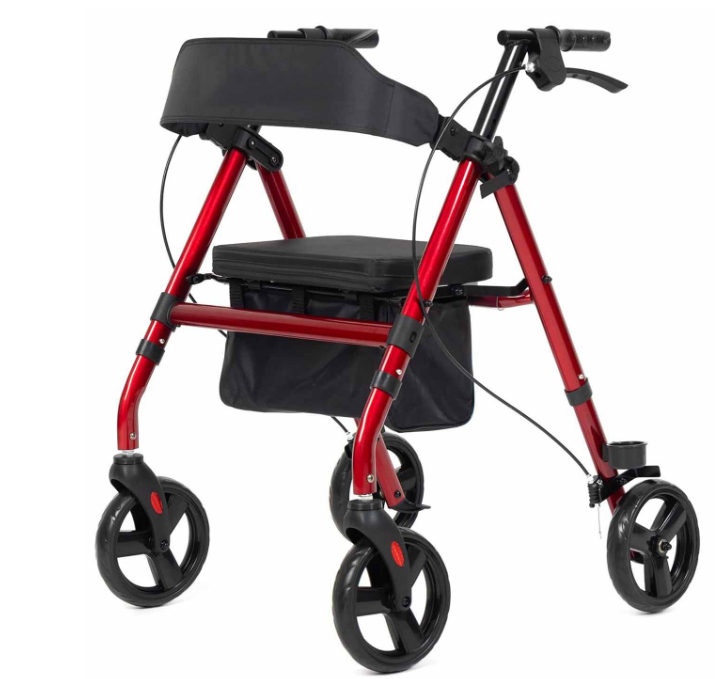
2-in-1 Walkers
Andafacil® 2-in-1 European Style Rollator with Seat
$2,999.00
View product guide →

Canes
Andafacil® Telescopic Cane
$399.00before $499.00
View product guide →
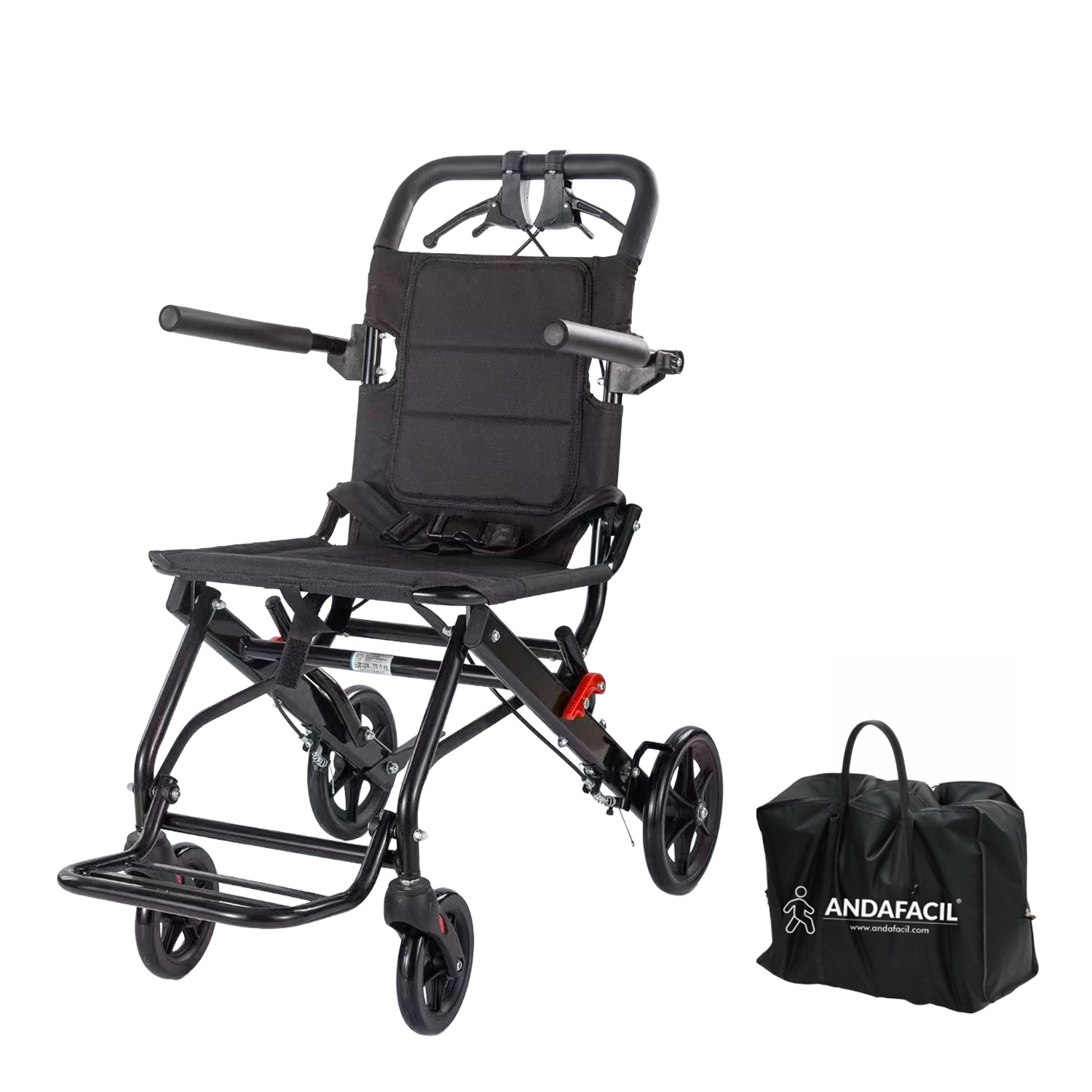
Manual wheelchairs
Andafacil® Portable Ultra Light Wheelchair
$3,499.00before $5,409.00
View product guide →
Next step
Compare in the catalog or request guidance by WhatsApp if your case is mixed.
Frequently asked questions
How do I convince my dad/mom to use a walker without arguing?
Don't sell with the device; sell with a goal (church service, grandchildren, market) and a short trial period. Offer rental or home trial. Use “so you can…” instead of “because you can no longer…”.
Is it wrong to insist if they refuse?
Insisting on safety is not cruelty; humiliating someone is. Separate: they can pause the fight and return with a concrete proposal (an exit + a trial team).
Does moving more make you happier?
It is not a medical promise. In practice, many families notice improved mood when the person goes out again and participates. The useful focus is regaining activities, not “curing mood”.
Should I Buy or Rent If Still Uncertain?
If the stage is uncertain or there's emotional resistance, rent first. If daily use for an extended period is expected, buying or interest-free monthly payments usually works out better.
You May Also Like
Two related articles to keep reading.